
Dinner is over. The table is messy. Plates are stacked high. The sink looks like it is waiting for you.
That moment alone is enough to drain your energy.
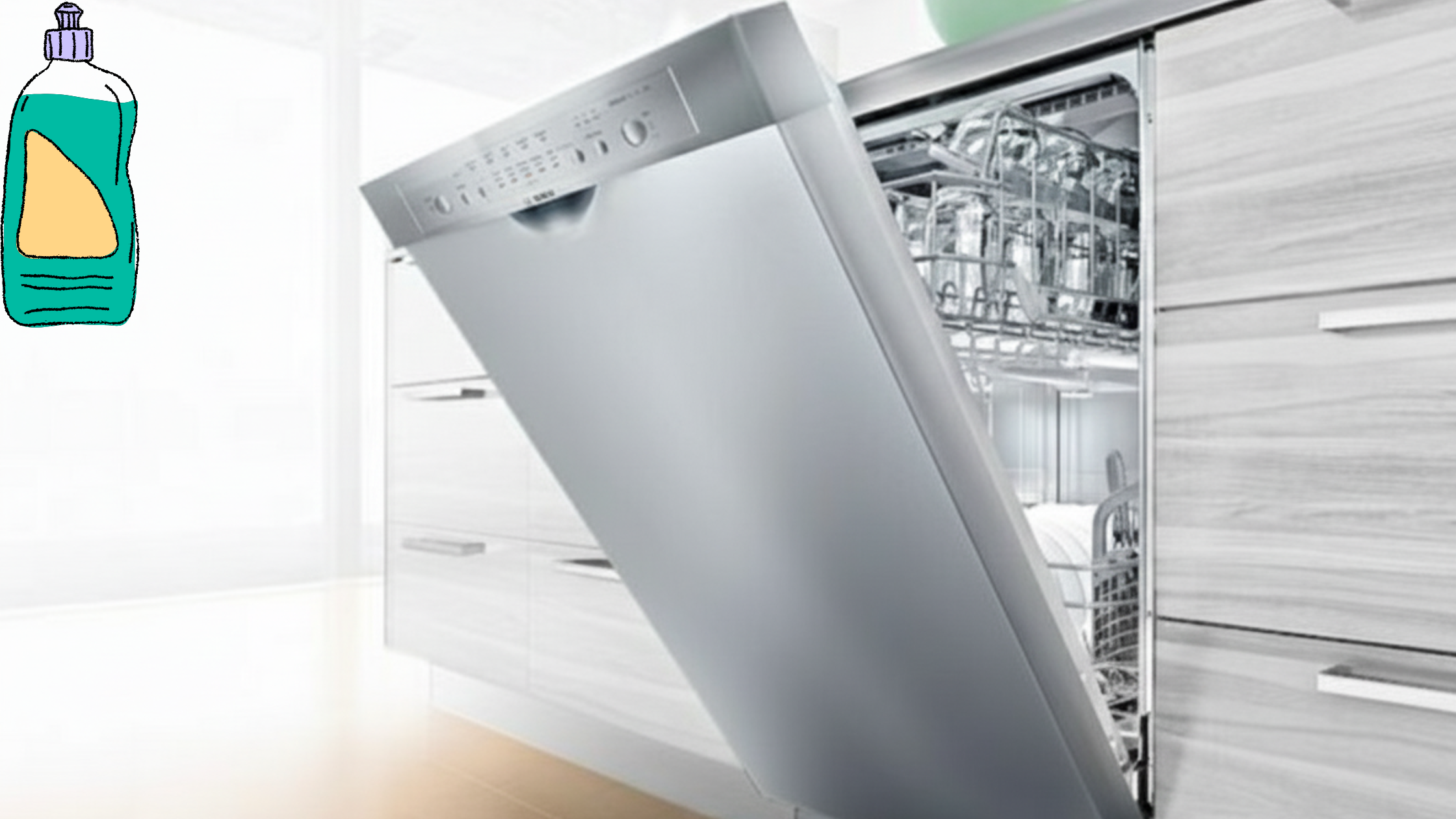
This is exactly why the Bosch Ascenta dishwasher exists.
It is built to take over the hard part of cleanup without noise, stress, or wasted water.
While you rest, it quietly cleans up to 14 place settings in one cycle. At 50 dBA, it runs so softly you can talk, watch TV, or sleep while it works.
Still, owning a dishwasher does not always mean easy living. You may load it wrong and find spots on glasses.
A cycle may refuse to start. Water may not drain the way it should. These small problems can turn a helpful appliance into a daily frustration.
This guide is here to change that.
You will learn:
- How to use your Bosch Ascenta the right way
- How to load dishes so they come out clean and dry
- Which wash cycle fits your daily meals
- How to fix common problems in minutes
By the end, your Bosch Ascenta dishwasher will feel less like a machine and more like a reliable kitchen helper that saves your time every day.
Why the Bosch Ascenta Dishwasher Is Worth Using
Washing dishes by hand takes more time and more water than most people realize.
A full sink can use over 20 gallons of water. The Bosch Ascenta dishwasher uses about 3 gallons per cycle.
That is a big difference for your water bill and the planet.
It also saves your energy. After a long day, standing at the sink is the last thing you want to do.
With this dishwasher, you load the dishes, press a button, and walk away.
The Bosch Ascenta is also made for quiet homes. At 50 dBA, it runs softly in the background.
You can help kids with homework, talk with family, or relax without noise breaking the moment.
Another reason people choose it is reliability. Bosch dishwashers are known to last for years when cared for properly.
The Ascenta may be an entry-level model, but it still delivers strong cleaning, steady performance, and simple controls that do not confuse you.
Most of all, it gives you something valuable back. Time. Less time cleaning. More time eating, talking, and resting.
Read also: #7 Stores Where to Buy Kitchen Equipment Online South Africa
Your Bosch Ascenta Dishwasher: Features and Basics
Your Bosch Ascenta dishwasher is designed to be simple, not complicated. Every feature has one goal.
Clean your dishes well while staying quiet and efficient.
Quiet Operation That Fits Real Life
The first thing you notice is the silence. At 50 dBA, the dishwasher runs quietly in the background.
You can have a conversation or watch TV without raising your voice. Many people run it at night and forget it is even on.
PrecisionWash Cleaning System
This dishwasher does not spray water consistently every time.
PrecisionWash sensors monitor the level of dirtiness during the cycle. If food is stuck, the spray becomes stronger.
If dishes are lightly soiled, it uses less water and energy. This helps avoid wasted power and still leaves dishes clean.
Flexible Racks for Daily Loads
Not every meal uses the same dishes. Some days you have plates and cups.
Other days you have big pots and serving bowls. The Bosch Ascenta adjusts to both.
- The upper rack moves up or down for tall glasses
- The tines fold to make space for large items
- The layout fits up to 14 place settings in one load
Strong Tub for Better Drying
Inside, the dishwasher uses a hybrid stainless steel tub. This helps control moisture and reduces odors.
It also improves drying compared to plastic tubs.
Standard Size That Fits Most Kitchens
The Bosch Ascenta fits under most countertops without special changes.
Its size is made for standard kitchen cabinets, which makes installation easier for most homes.
Installation and First-Time Setup
Setting up your Bosch Ascenta dishwasher does not need to be stressful.
If your kitchen already has a dishwasher space, this process is usually simple and quick.
Check the Space First
Before installing, make sure the opening under your counter is ready.
You need:
- 24 inches wide space
- 34 inches high clearance
- A nearby water line, drain, and power outlet
If the space is too tight, heat and moisture can build up over time. A little breathing room keeps the dishwasher working longer.
What You Will Need
Most people already have these tools at home:
- Screwdriver
- Adjustable wrench
- Pliers
- Level
No special tools are required.
Step-by-Step Setup
- Slide the dishwasher into place
Carefully push it into the cabinet opening. Make sure the door opens and closes freely. - Connect the water line
Attach the hose to your hot water supply under the sink. Hot water cleans better. Aim for about 120°F. - Attach the drain hose correctly
Loop the drain hose at least 20 inches high before connecting it to the sink drain or garbage disposal. This stops dirty water from flowing back into the dishwasher. - Plug in the power cord
Use a grounded outlet. Do not use extension cords. - Level the dishwasher
Adjust the feet until the dishwasher sits flat. A level unit prevents leaks and helps the door seal properly.
Run a Test Cycle
Before loading dishes, run an empty Rinse cycle. Listen for smooth operation and check for leaks. If everything looks good, your dishwasher is ready to use.
Read also: What To Know About Smeg Appliances South Africa
How to Load Dishes the Right Way
Most dishwashing problems start with loading. If dishes are placed the wrong way, water cannot reach them.
The good news is that loading the Bosch Ascenta dishwasher is easy once you know the basics.
The One Important Rule
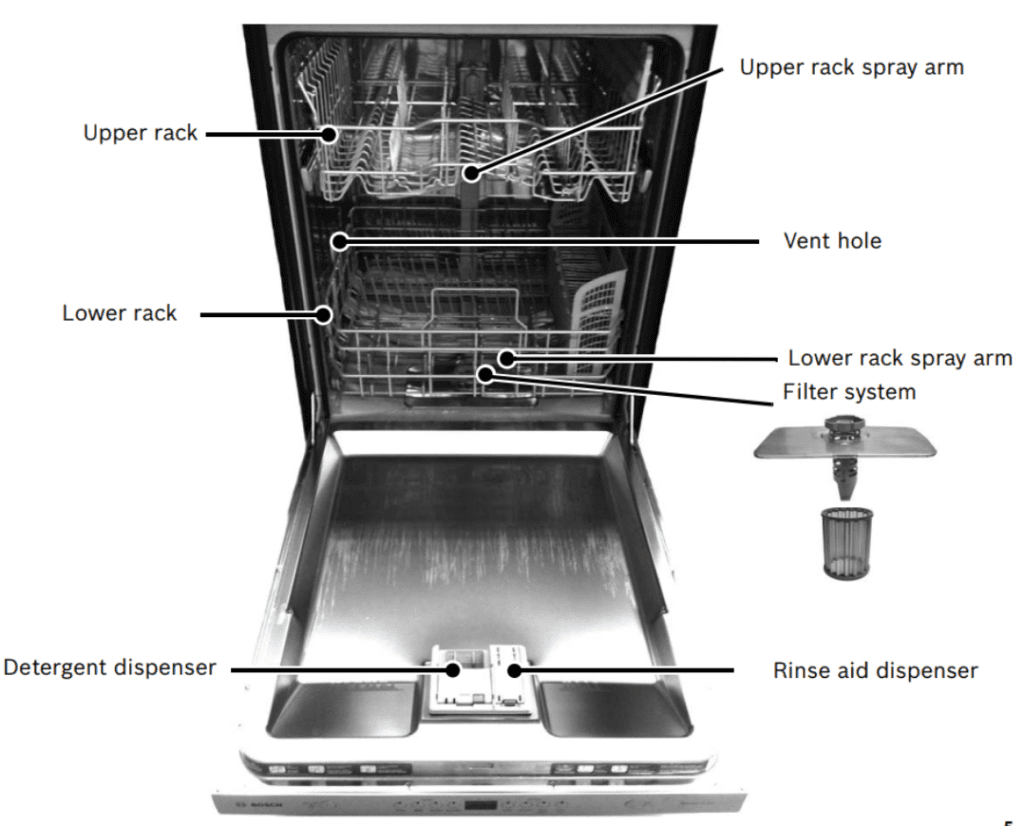
Always face dishes toward the center of the dishwasher. This is where the spray arms spin and push out water.
When dishes block each other, food stays stuck.
Do not rinse dishes fully before loading. Scrape off large food pieces and let the dishwasher do the rest.
Bottom Rack: For Heavy Items
Use the bottom rack for items that need stronger water pressure.
Place:
- Dinner plates standing upright
- Bowls facing inward
- Pots and pans upside down
You can fold the rack tines to make room for large cookware. Make sure nothing blocks the spray arm at the bottom.
Upper Rack: For Delicate Items
The upper rack is best for lighter dishes.
Place:
- Glasses upside down
- Cups at an angle
- Small bowls and plastic containers
Adjust the rack height if you need space for tall glasses or pitchers.
Utensil Basket: Small Items Done Right
Load utensils so water can reach every surface.
- Knives handle down for safety
- Forks and spoons mixed to avoid nesting
- Do not overcrowd the basket
Avoid placing sharp knives loose on racks. They can damage the coating and cause rust.
Common Loading Mistakes to Avoid
- Overloading the racks
- Lying plates flat
- Blocking the spray arms
- Putting plastic on the bottom rack
When loaded correctly, one full cycle can replace hours of handwashing and leave dishes ready to put away.
Using the Controls and Wash Cycles
The Bosch Ascenta dishwasher is made to be simple. The buttons are clear, and you do not need to guess what to press.
Once you understand the cycles, using it becomes second nature.
How to Start a Wash Cycle
Starting a cycle takes just a few steps.
- Add detergent to the dispenser
- Close the dishwasher door firmly
- Press the On/Off button
- Use the arrows to choose a cycle
- Press Start
Once the door is closed, the dishwasher begins working. A small light shows that the cycle is running.
Main Wash Cycles Explained
Each cycle is designed for a different type of load.
| Cycle | Time | Best For |
| Normal | About 2 hours | Everyday dishes |
| Heavy | About 2.5 hours | Pots and baked-on food |
| Speed60 | About 1 hour | Light meals and quick cleanup |
- Normal is the best choice for daily use
- Heavy uses hotter water and more time to break down tough food
- Speed60 is great when you need clean dishes fast
Other Useful Cycles
- Delicate cleans glassware gently
- Rinse Only freshens dishes without a full wash
Helpful Wash Options
You can add extra options to many cycles.
- Half Load saves water when the dishwasher is not full
- Extra Dry helps plastic items dry better
- Sanitize removes most germs using high heat
If a cycle does not start, check that the door is fully closed and the child lock is off.
Read also: Bellini Dishwasher Fixes: Decode Error Codes, Stop Leaks, and Fix Drain Problems Fast
Special Features That Make Life Easier
The Bosch Ascenta dishwasher has a few smart features that quietly make daily life smoother.
You may not notice them at first, but once you use them, they are hard to live without.
Child Lock for Safety
If you have children at home, this feature is a lifesaver. The child lock stops little hands from starting, stopping, or changing a cycle.
To turn it on, start a cycle and hold the Start button for a few seconds until the lock light appears.
To turn it off, hold the same button again. This keeps water where it belongs and prevents surprises.
Delay Start for Busy Schedules
Delay Start lets you choose when the dishwasher runs. You can set it to start later in the night or early morning.
This is helpful if:
- You want dishes ready when you wake up
- You prefer quieter hours
- Your power rates are lower at night
Set the delay, press Start, and the dishwasher handles the rest.
Sanitize Option for Extra Clean
The Sanitize option uses very hot water during the final rinse. It removes most germs and bacteria.
This is useful for baby bottles, cutting boards, and dishes used with raw meat.
Floor Light Indicator
When the dishwasher is running, a small light shines on the floor. One look tells you the cycle is still active.
When the light disappears, the dishes are ready.
These features work in the background, but together they make the dishwasher safer, smarter, and easier to trust every day.
Special Features That Make Life Easier
The Bosch Ascenta dishwasher has a few smart features that quietly make daily life smoother.
You may not notice them at first, but once you use them, they are hard to live without.
Child Lock for Safety
If you have children at home, this feature is a lifesaver. The child lock stops little hands from starting, stopping, or changing a cycle.
To turn it on, start a cycle and hold the Start button for a few seconds until the lock light appears.
To turn it off, hold the same button again. This keeps water where it belongs and prevents surprises.
Delay Start for Busy Schedules
Delay Start lets you choose when the dishwasher runs. You can set it to start later in the night or early morning.
This is helpful if:
- You want dishes ready when you wake up
- You prefer quieter hours
- Your power rates are lower at night
Set the delay, press Start, and the dishwasher handles the rest.
Sanitize Option for Extra Clean
The Sanitize option uses very hot water during the final rinse. It removes most germs and bacteria.
This is useful for baby bottles, cutting boards, and dishes used with raw meat.
Floor Light Indicator
When the dishwasher is running, a small light shines on the floor. One look tells you the cycle is still active.
When the light disappears, the dishes are ready.
These features work in the background, but together they make the dishwasher safer, smarter, and easier to trust every day.
Easy Maintenance for Long-Lasting Performance
Your Bosch Ascenta dishwasher does not need much care, but small habits make a big difference.
Regular cleaning keeps it quiet, fresh, and working like new for years.
Weekly Quick Clean
Once a week, wipe the door edges and rubber seal with a soft cloth and a little vinegar. Food and moisture can hide there and cause smells if ignored.
Monthly Filter Cleaning
The filter is the heart of the dishwasher. When it gets blocked, water cannot drain properly.
Here is how to clean it:
- Pull out the bottom rack
- Twist the filter counterclockwise
- Rinse it under warm water
- Use a soft brush if food is stuck
- Twist it back into place
Most drainage problems come from a dirty filter.
Keep Rinse Aid Filled
Rinse aid helps water slide off dishes so they dry without spots. Check the dispenser once a month and refill when low.
Deep Clean Every Few Months
Every three months, run an empty cycle with vinegar in the detergent cup. This removes mineral buildup from hard water and keeps the inside fresh.
| Task | How Often | Why It Helps |
| Wipe seals | Weekly | Stops odors |
| Clean filter | Monthly | Prevents clogs |
| Vinegar wash | Every 3 months | Removes buildup |
A few minutes of care now can save you from repairs later.
Troubleshooting Common Problems
Even the best dishwasher can have a hiccup. Most issues with the Bosch Ascenta are easy to fix, often in minutes, without a service call.
Dishwasher Won’t Start
Check these first:
- Door is fully closed
- Child lock is off
- Power is on
If it still won’t start, hold the Start button for 3 seconds to reset. The dishwasher drains and reboots itself.
Dishwasher Not Draining
Common causes:
- Clogged filter (clean monthly)
- Kinked or blocked drain hose
- Missing high drain loop
If the pump hums but water does not flow, the impeller may be stuck. Twist it gently to free debris.
Dishes Not Clean
Check these:
- Don’t overload racks
- Spray arms are clear of food
- Use a quality detergent pod
- Face dishes toward the center
Odors or Wet Dishes
- Run a vinegar rinse monthly
- Fill rinse aid for spot-free drying
- Use Extra Dry for plastics
Error Codes
- E22: Filter blocked – clean it
- E25: Drain issue – check hose and pump
- E30: Leak – wipe base, run empty cycle
Most problems are solved in less than 10 minutes, and the dishwasher works like new again.
Bosch Ascenta vs Bosch 100 Series
If you’re choosing a Bosch dishwasher, you might wonder whether the Ascenta or the 100 Series is better for you.
Both are reliable, but they have different perks.
Bosch Ascenta
- Price: Lower, around $500–700
- Noise: 50 dBA, quiet for everyday use
- Drying: Standard condensation drying
- Racks: Flexible and adjustable
It’s perfect if you want a solid, no-fuss dishwasher that does the job well without extra bells and whistles.
Bosch 100 Series
- Price: Higher, around $600–800
- Noise: 44–50 dBA, slightly quieter
- Drying: Fan-assisted, dries faster and more completely
- Racks: Includes an extra third rack for utensils or small items
The 100 Series is better if you wash lots of dishes often or want faster drying and extra space.
Quick Comparison
| Feature | Ascenta | 100 Series |
| Price | Lower | Higher |
| Noise | 50 dBA | 44–50 dBA |
| Drying | Condensation | Fan-assisted |
| Racks | Flexible | Extra third rack |
Conclusion
Your Bosch Ascenta dishwasher is ready to make your life easier. From easy setup to quick fixes, it handles dishes quietly, efficiently, and reliably.
Load it correctly, choose the right cycle, and keep up with simple maintenance.
Do that, and it will save you hours at the sink, let dishes dry spotless, and last for years.
With less time washing and more time enjoying meals and family, the dishwasher truly becomes a quiet helper you can trust.
So, go ahead, load your dishes, press start, and reclaim your evenings. Sparkle on, and enjoy your next meal without the cleanup stress!
FAQs
1. Why is my Bosch Ascenta dishwasher not draining, and how do I fix it?
Usually a clogged filter, blocked drain hose, or stuck pump. Clean filter, straighten hose, check pump, and reset. Most fixes take under 10 minutes.
2. My Bosch Ascenta dishwasher won’t start—what’s wrong?
Check power, reset by unplugging, ensure door latch clicks, turn off child lock, check cycle and breaker. Reset clears sensor errors.
3. What are the Bosch Ascenta dishwasher dimensions?
33 7/8″ H × 23 9/16″ W × 22 9/16″ D, weighs ~80 lbs, adjustable legs.
4. How much space is required for a Bosch dishwasher?
Cutout: 24″ W × 24″ D, 34″ height minimum. Add 1″ side, 2″ back clearance, 30″ front for door swing. Needs 120V outlet and hot water line.
5. How do I enable or disable the child lock on my Bosch Ascenta dishwasher?
Hold Start button 3–5 seconds to toggle on/off; prevents accidental operation.
6. What about the Bosch Ascenta dryer—models and features?
WTB86200UC: compact 24″ ventless dryer, 4 cu ft, 15 cycles, moisture sensors, AntiVibration, quiet <65 dBA, no duct needed.
7. How do I clean or replace the Bosch Ascenta dishwasher filter?
Twist out filter, rinse with hot soapy water, brush debris, dry, reinstall. Replace if cracked (part 00694351).
8. Why isn’t my Bosch Ascenta dishwasher cleaning dishes well, and how to fix?
Check spray arms for clogs, clean filter, ensure hot water (~120°F), use correct detergent, load dishes loosely, and descale monthly.